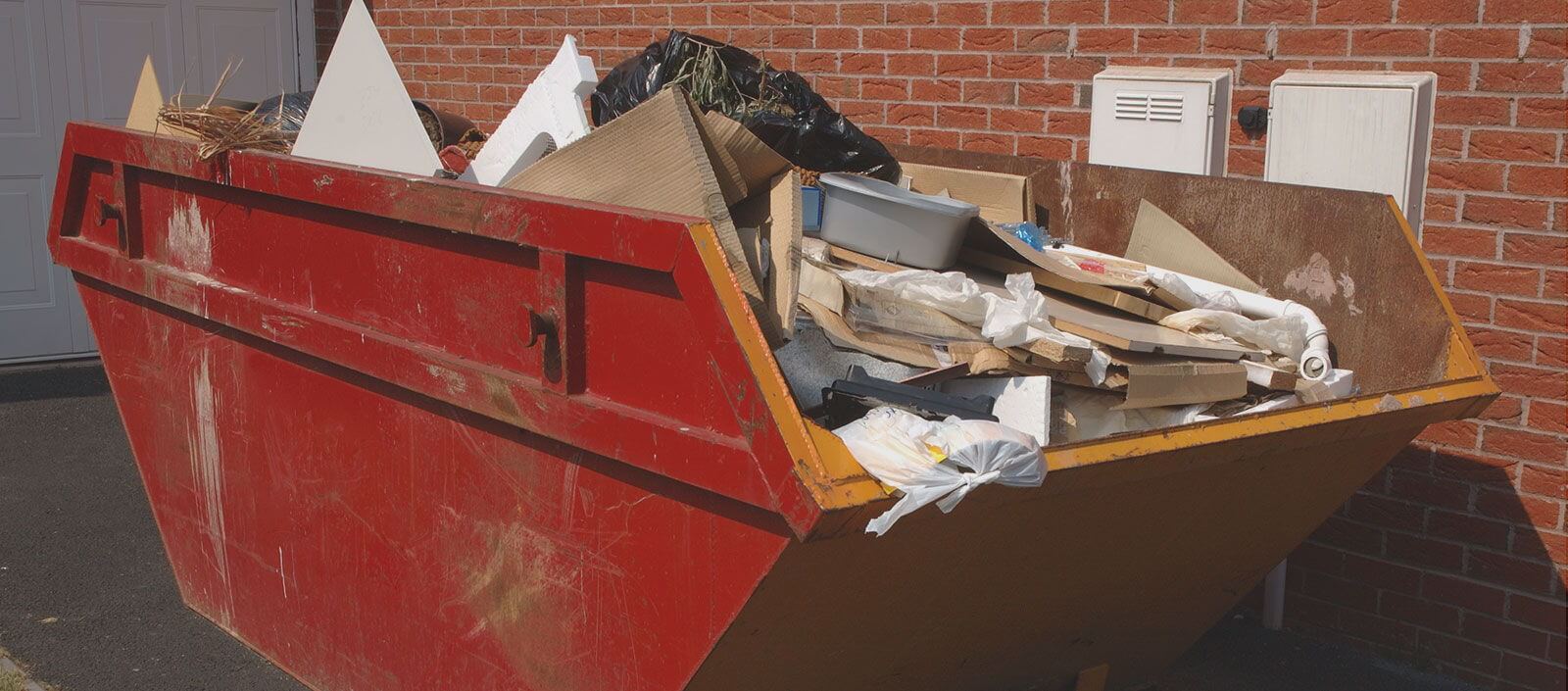
Best rubbish removal options for Streatham Park estate
Posted on 13/10/2026
If you live on or near Streatham Park estate, rubbish has a habit of piling up at the worst possible moment. A sofa that has finally given up, a loft clear-out that turns into a much bigger job, builder's rubble after a weekend project, or just the usual household clutter that seems to breed in corners - it all needs moving, and preferably without turning your day upside down. The best rubbish removal options for Streatham Park estate depend on what you need gone, how quickly you need it removed, and whether you want the easiest route or the cheapest one. This guide walks through the practical choices, the trade-offs, and the little details people often miss until the bags are already by the kerb.
Truth be told, rubbish removal sounds simple until you are standing there with a mixed pile of items, wondering what can legally go where. Let's fix that.

Why rubbish removal choices matter on Streatham Park estate
Estate living has its own rhythm. There are shared access routes, neighbours coming and going, limited space for storing waste, and the very real problem of getting bulky items down stairs, through hallways, or out to the vehicle without blocking everyone else. That means the "best" rubbish removal option is rarely just the cheapest. It is the one that fits the site, the item type, and the urgency without creating hassle for you or the people around you.
On Streatham Park estate, the wrong approach can mean trips to a local recycling centre you did not plan for, bags left out for too long, blocked access, or a collection day that suddenly becomes everyone's business. Not ideal. The right approach, though, saves time, reduces stress, and often keeps more waste out of landfill because the items are sorted properly from the start.
It also matters because different waste streams need different handling. A wardrobe, a broken fridge, green cuttings, plasterboard, and old paint tins are not all treated the same way. If you are dealing with a mixed load, the practical choice is usually the one that can handle that mix cleanly and legally.
Expert summary: For Streatham Park estate, the best rubbish removal option is usually the one that balances access, waste type, speed, and compliance - not simply the one that promises "same-day" and hopes for the best.
How rubbish removal in the estate usually works
In practice, most rubbish removal jobs follow one of a few patterns. You either book a collection and place items in an agreed spot, arrange a man-and-van style pickup for mixed loads, hire a skip for ongoing or larger works, or use specialist services for specific waste such as white goods, furniture, or builder's waste. Each method has a place.
For an estate setting, access is often the deciding factor. If parking is awkward, the waste is upstairs, or there are communal areas to respect, a flexible removal team is usually easier than trying to self-manage everything with a hatchback and a sore back. If the waste is coming from a renovation, a skip may work better, but only if you genuinely have the space and permission to place it safely.
What you are really doing is matching the waste to the method:
- Household clutter or a few bulky items: a domestic rubbish collection or furniture removal service.
- Mixed clear-outs: general waste removal or house clearance.
- Garden cuttings and soil-heavy waste: garden waste removal.
- Appliances and fridges: specialist white goods disposal.
- Renovation debris: builders waste disposal.
The smoother jobs are usually the ones where the sort-out is done before the collection arrives. If you can separate reusable items, electricals, and heavy waste from general rubbish, you make the whole process more efficient. A small detail, but it makes a difference.
Key Benefits and Practical Advantages
The main benefit is obvious: your space becomes usable again. But the better rubbish removal options offer much more than just a tidy room or cleared driveway.
- Less disruption: A good service gets items out quickly, which matters when you are juggling work, family life, or neighbours who would quite like the hallway back.
- Safer handling: Heavy or awkward loads are moved without you risking an injury on stairs or in tight communal spaces.
- Better sorting: Reputable removal options help separate recyclables, reusable items, and waste that needs specialist treatment.
- Cleaner finish: No leftover splinters, bits of packaging, or dusty debris sitting around after the job.
- Less guesswork: You do not have to spend your evening wondering whether that broken freezer counts as general rubbish or something else entirely.
There is also a quieter benefit: peace of mind. When you know the job is being handled properly, the whole thing feels lighter. You can get on with the rest of your day instead of staring at a pile of junk and feeling vaguely annoyed every time you walk past it. We have all been there.
If sustainability matters to you, a well-run service can also make it easier to recycle responsibly. That is especially useful when you are clearing out mixed household items and do not want the lot to end up treated as one giant bin bag.
Who This Is For and When It Makes Sense
Rubbish removal services are not just for major clearances. On Streatham Park estate, they make sense for all kinds of everyday situations.
You may need one if you are:
- moving out and clearing old furniture or damaged items;
- refreshing a flat and replacing appliances;
- tidying a loft, storage cupboard, or spare room that has become a time capsule;
- dealing with garden cuttings after a weekend of pruning;
- renovating and generating rubble, offcuts, or packaging;
- helping a relative downsize and needing a calm, respectful clearance;
- running a small business from home or in the area and clearing office waste;
- simply trying to reclaim space without turning your week into a logistics exercise.
The practical line is this: if the waste is awkward, heavy, mixed, or more than you can comfortably take away yourself, a removal option usually makes sense. If the load is tiny and you already have the right bins and time, then self-sorting may be enough. But that window closes quickly once bulky items or electricals enter the picture.
For some households, the question is not "Should I use a service?" It is "Which one will be least painful?" That is the better question, honestly.
Step-by-Step Guidance
If you want the right rubbish removal option for Streatham Park estate, use a simple decision process. Nothing fancy. Just a clear method that saves time later.
- Identify the waste type. Start with a rough split: general rubbish, furniture, garden waste, appliances, builders waste, or mixed clearance. If there are hazardous items such as paint, chemicals, batteries, or anything sharp, keep them separate.
- Estimate the volume. A couple of black bags is not the same as a room full of furniture. Be realistic here. People often underestimate by half and then wonder why the collection vehicle suddenly looks small.
- Check access. Think about stairs, parking, shared entrances, lift access, and distance from the property to the pickup point. Estate access can shape the best method more than the waste itself.
- Decide speed versus convenience. If you need same-day clearance, flexibility matters. If the job can wait a week, you may have more options.
- Compare methods. See whether a van collection, specialist service, skip hire, or self-delivery is the best fit.
- Ask what is included. Loading, sorting, recycling, labour, disposal, and VAT or other charges can affect the final cost.
- Prepare the load. Put items together, keep pathways clear, and make sure anything fragile or hazardous is flagged before the team arrives.
A small but useful tip: if you are clearing multiple rooms, take photos before you start. Not for social media, obviously. Just to help you judge the volume and avoid underbooking. It is surprisingly easy to misread a pile once it is all stacked neatly by the door.
Expert Tips for Better Results
The best rubbish removal experiences usually come down to a few practical habits. Nothing dramatic. Just the kind of common-sense choices that save money and stress.
Sort before the team arrives
Separate obvious categories first. Put furniture together, keep electricals in one place, and make garden waste easy to access. This helps the collection go faster and reduces the risk of mixed waste becoming more expensive to handle.
Use the right service for heavy or awkward items
That old wardrobe in the hallway may look manageable until it reaches the stairs. For bulky furniture removal, appliance disposal, or office clearance, it is often better to use a specialist than to try to improvise. Your back will thank you later.
Be careful with mixed waste
Mixed waste is where people get caught out. A bag of old clothes, broken shelves, packaging, and plasterboard is not always treated the same as clean household rubbish. If there is a renovation element, mention it early.
Think about neighbours and timing
On an estate, noise and access matter. Early mornings can be awkward. A midday collection may be far kinder, especially if the vehicle needs to wait briefly while you bring items out. A little courtesy goes a long way.
Ask what happens to recyclable items
Not every item should follow the same route. Reusable furniture, metal, cardboard, and some electricals may be diverted. If recycling and sustainability matter to you, choose a service that explains its process clearly. We cover our general approach in our recycling and sustainability information page.
Keep a clear path
This one sounds basic because it is, but basic wins here. A clear hallway and entrance speed everything up. No one wants to step over shoe racks, plant pots, or the mysterious box that nobody claims.
Common Mistakes to Avoid
Most rubbish removal problems are avoidable. They usually happen when the job is rushed or the load is not assessed properly.
- Booking the wrong vehicle size: Underestimating the load can mean extra visits or a higher bill.
- Mixing hazardous and general waste: Some items need special handling. Do not bury them in a pile and hope for the best.
- Leaving access until the last minute: If parking is tight or lifts are involved, mention it early.
- Assuming everything can go in a skip: Some materials have restrictions, especially when mixed with general waste.
- Not checking what is included: Loading time, labour, and disposal can all affect the final price.
- Choosing purely on cost: Cheap is fine until the service cannot handle the actual job.
There is also a quieter mistake people make: waiting too long. Once clutter spreads, the job becomes more exhausting. You know that feeling when one bag turns into five? Exactly.
Tools, Resources and Recommendations
You do not need a fancy toolkit to organise rubbish removal well. A few simple things are enough.
- Strong bags and boxes: Useful for separating smaller items and protecting flooring on the way out.
- Labels or marker pen: Handy if different rooms or waste types are being cleared at once.
- Measuring tape: Helpful for bulky items so you can judge whether something will fit through a doorway or into a van.
- Gloves: A basic safety essential when sorting old items, sharp packaging, or dusty loft contents.
- Phone photos: Probably the quickest way to get an accurate quote or confirm the load size.
If you are still weighing up service types, the broader services overview can help you compare what is typically available. For household jobs, a look at domestic waste collection in Streatham or rubbish collection in Streatham may be useful. If you are clearing a roomful of items rather than just a few bags, house clearance in Streatham is often the more suitable route.
For property-specific clear-outs, these can also help:
- furniture removal for sofas, wardrobes, and bulky household pieces;
- appliance disposal for fridges, freezers, washing machines, and similar items;
- builders waste disposal for renovation debris;
- garden waste removal for cuttings, branches, and green waste.
If you prefer to explore the company background before booking anything, the about us page can help, and if you want pricing expectations, see pricing and quotes. Practical, no-nonsense stuff.
Law, Compliance, Standards and Best Practice
Waste removal in the UK is not something to treat casually. You do not need to memorise the regulations, but you do need to use a responsible service and avoid handing waste to anyone who cannot deal with it properly. In plain English: the business collecting your rubbish should be able to show that it is operating legally and handling waste in a way that meets accepted industry expectations.
That matters because waste does not disappear once it leaves your property. It is transported, sorted, and disposed of somewhere. If a collector is careless, the issue can come back to bite the original owner, especially if the waste was passed to an unlicensed operator. To be fair, most residents never want to think about this side of the job. But it is worth checking once, then forgetting about it.
Good practice usually includes:
- using a licensed waste carrier;
- receiving a clear description of what will happen to the waste;
- keeping records or paperwork where appropriate;
- separating recyclable and specialist items where practical;
- handling hazardous material carefully and separately;
- protecting communal areas during loading and removal.
For a service perspective on compliance and operational standards, it is sensible to review the page on waste carrier licence and compliance. If safety is a concern, especially with heavy lifting, stair carries, or awkward items, insurance and safety is worth reading too.
If you are paying online or sharing details, the website's payment and security information is another sensible place to check. It is one of those small steps people skip until they are glad they did not.
Options, Methods, or Comparison Table
Different rubbish removal methods suit different kinds of jobs. The table below gives a simple, practical comparison so you can choose without overthinking it.
| Option | Best for | Strengths | Watch-outs |
|---|---|---|---|
| Man-and-van rubbish removal | Mixed household items, quick clear-outs, bulky furniture | Flexible, fast, often handles loading for you | Can cost more for larger loads or awkward access |
| Domestic waste collection | Smaller household rubbish jobs | Simple and convenient for everyday waste | Not always ideal for heavy or specialist items |
| Skip hire | Renovations, ongoing clearances, large volumes | Useful if you have space and time to fill it | Needs room, may require permissions, can be less flexible |
| Specialist item disposal | Appliances, furniture, white goods, certain bulky items | Handled appropriately and efficiently | Not a complete solution for mixed loads |
| House clearance | Full or partial property clearances | Best for larger, more complex clear-outs | May be more service than you need for a small load |
If you are dealing with a full flat, a bereavement clearance, or a major move, house clearance is often the most efficient route. If it is just a sofa, fridge, and a few bags, then a lighter-touch collection may be enough. Simple, really, though the wrong choice can make it feel a lot more complicated than it is.
Case Study or Real-World Example
Here is a realistic estate scenario. A resident on Streatham Park estate decides to clear a spare room that has quietly become storage for an old desk, two broken chairs, a wardrobe, some boxed clutter, and a small pile of garden waste from the balcony planters. Nothing dramatic, just one of those jobs that keeps getting delayed because work, weather, and life keep happening.
At first glance, it looks like a straightforward DIY tip run. But once the resident measures the wardrobe, checks the stairwell, and realises the desk will not turn the corner neatly, the plan changes. Instead of several trips and an awkward lift carry, they choose a mixed rubbish collection that can handle furniture, household waste, and the small green waste pile in one go.
The benefit was not only speed. It was the lack of disruption. One visit, one loading process, and the room was usable again by the same afternoon. The resident also sorted a few reusable bits ahead of time - a lamp, a chair cushion, and some storage boxes - which kept the load cleaner and reduced waste. A small win, but a useful one.
That kind of job is common. Not glamorous, not complicated, just easier when the removal method fits the mess instead of forcing the mess to fit the method.
Practical Checklist
Use this checklist before booking rubbish removal for Streatham Park estate:
- Have I identified the main waste type?
- Do I know roughly how much needs removing?
- Have I checked access, parking, stairs, and any shared areas?
- Are there any electricals, fridges, paint tins, or hazardous items?
- Do I need same-day removal or can it wait?
- Is this a small collection, a mixed load, or a full clearance?
- Have I compared a few service types, not just one?
- Do I know what is included in the quote?
- Have I separated reusable items where sensible?
- Is the path to the waste clear and safe?
If you can tick most of these off, you are in good shape. If not, that is fine too - it just means you will probably benefit from a more guided service rather than improvising on the day.
Conclusion
The best rubbish removal options for Streatham Park estate are the ones that match the real world: the stairs, the parking, the mix of waste, the time you have, and the amount of effort you want to save. For small loads, a simple collection may be enough. For mixed household clutter, furniture, or larger clear-outs, a more comprehensive service is usually the smarter call. And for renovation waste or specialist items, choosing the right disposal route matters even more.
What people usually want, beneath all the clutter, is a clean reset. A room that feels lighter. A hallway without obstacles. A weekend that does not vanish under a pile of old stuff. Fair enough, really.
Get a free quote today and see how much you can save.
Choose the option that fits the job properly, and the whole process becomes a lot less of a headache. Sometimes the best result is simply getting your space back and breathing out for a second.