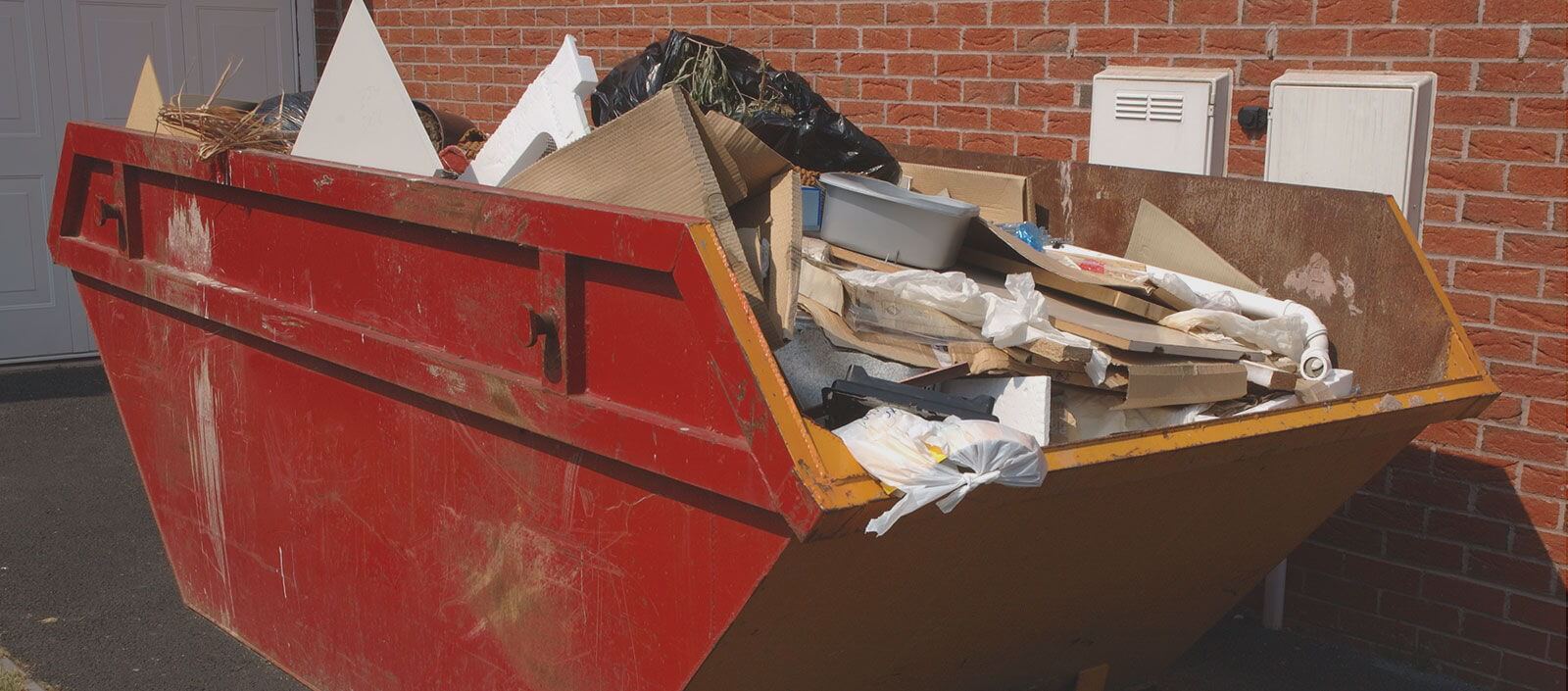
Rubbish removal Streatham High Road tips and costs
Posted on 12/08/2026

If you are trying to clear waste from a flat, shop, renovation, or shared property near Streatham High Road, the job can look simple at first glance and then turn a bit messy, fast. Lifts are small, parking is awkward, and a pile of mixed rubbish somehow always feels bigger once you start moving it. This guide on Rubbish removal Streatham High Road tips and costs breaks the process into something manageable: what to expect, how pricing usually works, how to avoid common mistakes, and how to choose a service that fits the way you live or work in SW16.
We will keep it practical. You will get cost drivers, a step-by-step plan, a useful checklist, and a few local realities that matter on a busy road like this. If you want the wider picture of what a waste contractor can handle, it also helps to read the site's services overview and the broader guidance on waste removal in Streatham.
Quick takeaway: the cheapest quote is not always the best value. In real life, the smartest rubbish removal on Streatham High Road is the one that matches access, waste type, timing, and compliance without hidden surprises.
Why Rubbish removal Streatham High Road tips and costs Matters
Streatham High Road is busy, mixed-use, and constantly moving. That matters because rubbish removal here is not only about lifting items into a truck. It is about planning around traffic, neighbours, access points, and the kind of waste you have. A clear-out from a first-floor flat above a parade of shops is a different job from a garden tidy-up at the back of a house, even if both jobs produce "just a few bags" on paper. In reality, the bags often multiply. Funny how that happens.
Costs matter too, because rubbish removal pricing is shaped by a handful of practical things rather than one simple flat fee. Weight, volume, labour, loading time, and the type of waste all influence the final price. If you understand those pieces early, you can compare quotes properly and avoid paying for delays, extra handling, or the wrong vehicle size.
There is also a trust element. On a road like this, you want a contractor that is organised, insured, and clear about what happens to your waste after collection. That links to proper disposal and recycling, but also to peace of mind. Nobody wants a fly-tipping headache later because the cheap option turned out to be careless.
If your clean-up is part of a move, refurbishment, or property sale, the timing becomes even more important. A cluttered hallway or overflowing skip can slow everything down. For people planning a larger clearance, it can be useful to look at related options such as house clearance in Streatham or office clearance support if the job extends beyond a few bags and boxes.
How Rubbish removal Streatham High Road tips and costs Works
At a practical level, rubbish removal usually follows a fairly simple pattern. You describe what needs clearing, the provider estimates the load, and a collection is arranged. The tricky part is that a good estimate depends on details. A pile of old furniture, for example, occupies space very differently from mixed household rubbish, broken tiles, or builder's rubble. That is why the same van can quote very differently for two jobs that look similar at first glance.
Most services price by a blend of volume and labour. Think of it this way: if the team can load everything quickly and park close by, the job is easier. If they need to carry items down several flights, negotiate tight access, or sort mixed material on site, the effort goes up. That can affect the final bill. And yes, the road itself matters. Busy frontage, limited stopping space, and narrow access all have a real-world impact.
Here is the basic flow you can expect:
- You list the items or waste types as clearly as possible.
- The provider decides what vehicle, crew size, and time slot are likely needed.
- You receive a quote, ideally with clear notes on exclusions or extras.
- The team arrives, confirms the load, and carries out collection.
- Your waste is sorted for reuse, recycling, or disposal where possible.
For some jobs, especially mixed domestic clearances, it can help to sort items before collection. For others, like builders' waste, it is often better to leave it grouped by material type. If you are dealing with renovation debris, the page on builders waste disposal in Streatham is a useful related reference.
One thing people often miss is that quotes can change if the actual load differs from the description. Not because anyone is being difficult, but because a van can only take so much. A quick, honest description saves time for everyone.
Key Benefits and Practical Advantages
When rubbish removal is done well, the value shows up in small ways. The hallway is clear. The flat feels lighter. Your day stops revolving around the pile in the corner. That relief is often worth more than people expect, especially when the clutter has been sitting there for weeks. Maybe months. Let's face it, some jobs quietly become background stress.
Here are the main advantages:
- Faster turnaround: collections can often be organised much more quickly than renting and loading a skip yourself.
- Less physical strain: the lifting and carrying are handled for you, which matters if items are awkward or heavy.
- Better access handling: a good crew knows how to work around stairs, shared entrances, and tight parking.
- Cleaner finish: once the rubbish is gone, the space is genuinely usable again, not half-finished.
- Sorting help: many services separate recyclable material from residual waste where practical.
There is also a neat strategic benefit if you are selling, letting, or renovating a property. Clear rooms photograph better, feel larger, and make decisions easier. If you are curious about how rubbish removal fits into broader property moves, the site's local reading on buying a house in Streatham and whether Streatham suits you can be handy context.
In short: you are not just paying to remove waste. You are buying back time, space, and a bit of breathing room.
Who This Is For and When It Makes Sense
This kind of service is useful for a broad mix of people. It is not just for large refurbishments or full house clearances. On Streatham High Road, a lot of collections come from ordinary, everyday situations that have simply reached the point where DIY feels like a poor use of your Saturday.
Typical users include:
- homeowners clearing rooms before a sale or move
- tenants leaving behind bulky items or old possessions
- landlords preparing a flat for new occupants
- shops and small businesses removing packaging, stock waste, or old fittings
- people replacing furniture, appliances, or mattresses
- garden owners dealing with branches, soil, and green waste
It also makes sense when time is tight. If you are juggling work, childcare, a train commute, and a property deadline, the idea of hiring a van and making multiple trips starts to look less appealing. Very quickly, actually.
For businesses, rubbish removal can be part of a wider operational tidy-up. Commercial premises often need a dependable schedule rather than a one-off scramble. In that case, a service like commercial waste removal in Streatham may fit better than a casual ad hoc pickup.
There are also situation-specific jobs that deserve their own handling. Old sofas, cupboards, appliances, and mixed furniture can be more cumbersome than they look. If that is your situation, look at options such as furniture removal, furniture disposal, and white goods and appliance disposal.
Step-by-Step Guidance
If you want to keep costs under control, a little preparation goes a long way. You do not need to turn into a spreadsheet person. Just be methodical enough to avoid surprises.
- Separate waste by type. Put furniture, mixed rubbish, garden waste, and construction debris in different piles where possible. Mixed loads are usually harder to price accurately.
- Measure the rough volume. You do not need laser precision. A quick note like "about two cubic yards" or "three bulky items plus six bags" helps enormously.
- Check access. Think about stairs, lifts, gates, parking, and whether the crew can get close to the property.
- List any awkward items. Fridges, sofas, wardrobes, broken glass, and heavy rubble all need to be mentioned early.
- Ask what is included. Labour, loading time, disposal, congestion issues, and VAT can affect the quote.
- Arrange the space before collection. If possible, place items in an accessible location. Just don't block fire exits or communal walkways.
- Confirm the pickup window. On a road like Streatham High Road, timing matters. A narrow window can reduce hassle for everyone.
A small but useful trick: take photos of the waste before you request a quote. Not glamorous, I know. But two or three clear pictures often help the provider judge the job more accurately than a long description typed in a rush.
If your waste is mainly garden-related, you might also find it useful to read about common types of garden waste and the dedicated garden waste removal service.
Expert Tips for Better Results
Here is where a little experience saves money. Most cost problems are not caused by the waste itself. They come from poor preparation or fuzzy expectations.
- Be precise about the waste mix. A van full of light packaging is not the same as a van full of broken plasterboard or soil.
- Tell the truth about access. If there is no easy parking, say so. If the item is on the third floor, say that too.
- Bundle similar items together. It makes quoting simpler and can speed up loading.
- Use the service that matches the job. A general rubbish pickup is not always the right fit for an office clear-out or a bulky furniture job.
- Ask how recycling is handled. Responsible operators will usually aim to divert suitable material from landfill or residual disposal.
Another useful habit is to get the space ready before the team arrives. When the load is easy to reach, you are paying for fewer minutes of labour. That sounds obvious, but in the real world people often forget. Then they are moving boxes out of a back room while the crew waits, and the mood gets a little strained. Nobody enjoys that.
If you are dealing with a workplace, you may also want to align the clearance with opening hours or quieter periods. A professional collection should fit around your operations rather than derail them.
And one more thing: keep an eye on what should not go in ordinary mixed waste. Some items need special handling, and that matters for safety, compliance, and decent practice.

Common Mistakes to Avoid
Most rubbish removal mistakes are easy to avoid once you know what to look for. The trouble is, people often only learn them after the van has arrived.
- Guessing the volume too low. This is the classic one. A job that sounded like "a few bits" turns into a full van.
- Ignoring access issues. If the team has to carry everything farther than expected, the job may take longer and cost more.
- Mixing heavy and light waste without warning. Builders' rubble, soil, tiles, and mixed household rubbish are not interchangeable.
- Forgetting about restricted items. Some waste needs a separate route or extra care.
- Choosing only on price. A suspiciously cheap quote can hide poor disposal standards or unplanned extras.
- Leaving everything until the last minute. That is when you pay more, or at least feel like you have to say yes to the first option available.
To be fair, one of the most common issues is not even about rubbish. It is about indecision. People keep sorting during collection time, which slows things down and can muddy the quote. Sort first if you can. It makes life much easier.
If your project involves more than household waste, the pages on loft clearance and house clearance are useful for understanding bigger jobs.
Tools, Resources and Recommendations
You do not need specialist gear for most small to medium rubbish removals, but a few basic tools can make the process easier and safer.
- Heavy-duty gloves for sharp edges, splinters, and rough bag handling
- Sturdy bin bags or rubble sacks for splitting waste into manageable loads
- Tape measure for rough volume checks on furniture or clearance piles
- Marker pen and labels if you want to separate keep, donate, recycle, and remove items
- Phone camera for photos before you request a quote
- Clear pathway and door mats to protect floors and reduce mess
On the service side, a few pages can help you compare the right solution before booking. The most relevant are the site's rubbish collection option, the broader waste removal page, and the pricing information on pricing and quotes. If you want to understand how payment is handled, the company also provides details on payment and security.
For people who value ethics and disposal standards, the sections on recycling and sustainability and waste carrier licence and compliance are worth a look. They help you judge whether a provider is treating waste properly, not just removing it quickly.
Law, Compliance, Standards, or Best Practice
Rubbish removal is one of those everyday services where the compliance side is easy to overlook until something goes wrong. In the UK, waste should be handled by a legitimate carrier, and waste should be transferred and disposed of responsibly. That means you should be comfortable asking who is taking your waste, how it is handled, and whether the operator follows proper procedures.
For a homeowner, the practical takeaway is simple: use a provider that can demonstrate they are authorised to carry waste and that they follow recognised disposal and recycling practices. That is not overkill. It is basic due diligence. If someone is vague about where waste goes, that should raise an eyebrow.
Best practice also means being honest about hazardous or awkward materials. Items like electrical appliances, batteries, paint, or contaminated materials may need extra attention. Similar care applies to safety on site. Good lifting technique, tidy loading, and sensible access planning all reduce the chance of damage or injury.
If the job involves a workplace, you should also think about how collections affect staff, customers, and shared areas. Keep walkways clear, avoid blocking entrances, and make sure waste is not left where it could create a trip hazard. Small things, but they matter.
For more on safety and service standards, the site's insurance and safety page is a sensible companion read. If you need general background on the business itself, the about us page can also help build confidence before you book.
Options, Methods, or Comparison Table
There are a few ways to deal with rubbish on Streatham High Road, and the right one depends on the size of the load, your timeline, and how much effort you want to put in yourself.
| Method | Best for | Main advantage | Possible drawback |
|---|---|---|---|
| On-demand rubbish collection | General household or mixed waste | Quick and flexible | Price depends on access and load size |
| Bulky item removal | Sofas, beds, wardrobes, appliances | Less lifting for you | Some items need special handling |
| House or loft clearance | Whole-room or full-property clear-outs | Efficient for larger jobs | Needs more planning and sorting |
| Builders waste disposal | Renovation debris and rubble | Suited to heavy construction waste | Mixed waste can increase complexity |
| DIY van hire | People with time and loading help | Can be cost-effective on paper | Time-consuming and physically demanding |
For many readers, the decision comes down to effort versus certainty. If you have help, a nearby disposal point, and a small, simple load, DIY might be fine. If you have bulky items, limited parking, or a deadline, a professional collection is usually the calmer choice. Less drama. Less back pain too, which is honestly underrated.
Case Study or Real-World Example
Picture a typical Streatham High Road scenario. A couple clears out a one-bedroom flat above a shop before handing the keys back. The pile includes an old sofa, a broken bedside cabinet, three bags of household bits, a small table, and a stack of packaging from a recent move. Nothing unusual, but awkward enough to be annoying.
At first they think it is a "small job." Then they take a proper look. The sofa is heavier than it appears, the hallway is tight, and there is no sensible place to leave bags downstairs. So they photograph everything, separate the furniture from the general rubbish, and check access notes before requesting a quote. That one bit of preparation makes the estimate much more accurate.
On the day, the crew arrives with the right vehicle and works through the load in one visit. The couple had already moved fragile items and cleared the path, so the collection finishes quickly. The final price is shaped less by the waste itself and more by the access, the furniture handling, and the time saved by good preparation.
The lesson is simple, really: the better you describe the job, the fewer surprises you get. That applies whether you are clearing a home, a shop, or a loft with things you forgot you even owned.
Practical Checklist
Use this before you book. It saves time and usually saves money too.
- Identify the waste type: household, furniture, appliances, garden waste, or builders' debris
- Estimate the volume in bags, items, or small piles
- Check access: stairs, lift, parking, gate width, and loading distance
- Separate anything recyclable, fragile, or restricted
- Take a few photos for the quote
- Ask what is included in the price
- Confirm whether labour, loading, and disposal are covered
- Check the collection time and whether the team needs someone present
- Clear the access route before the crew arrives
- Keep paperwork or service details for your records
If you can tick off most of that list, you are already ahead of many customers. Not because you are doing anything fancy, just because you have avoided the usual friction points.
Conclusion
Rubbish removal on Streatham High Road is easiest when you treat it as a practical logistics job rather than a quick afterthought. The load matters, but so do access, timing, item type, and how clearly you describe the work. Once those pieces are in place, the process becomes much simpler and the costs make more sense.
Remember the main rule: compare like with like. A quote that looks lower may not include the same labour, disposal, or access assumptions. The best value is usually the quote that is clear, realistic, and honest about what will actually be taken away.
And if you are still weighing up your options, that is perfectly normal. A good rubbish removal decision often comes from a calm five-minute review, not a rushed yes. The space you clear today can make tomorrow feel lighter, and that counts for a lot.
Get a free quote today and see how much you can save.