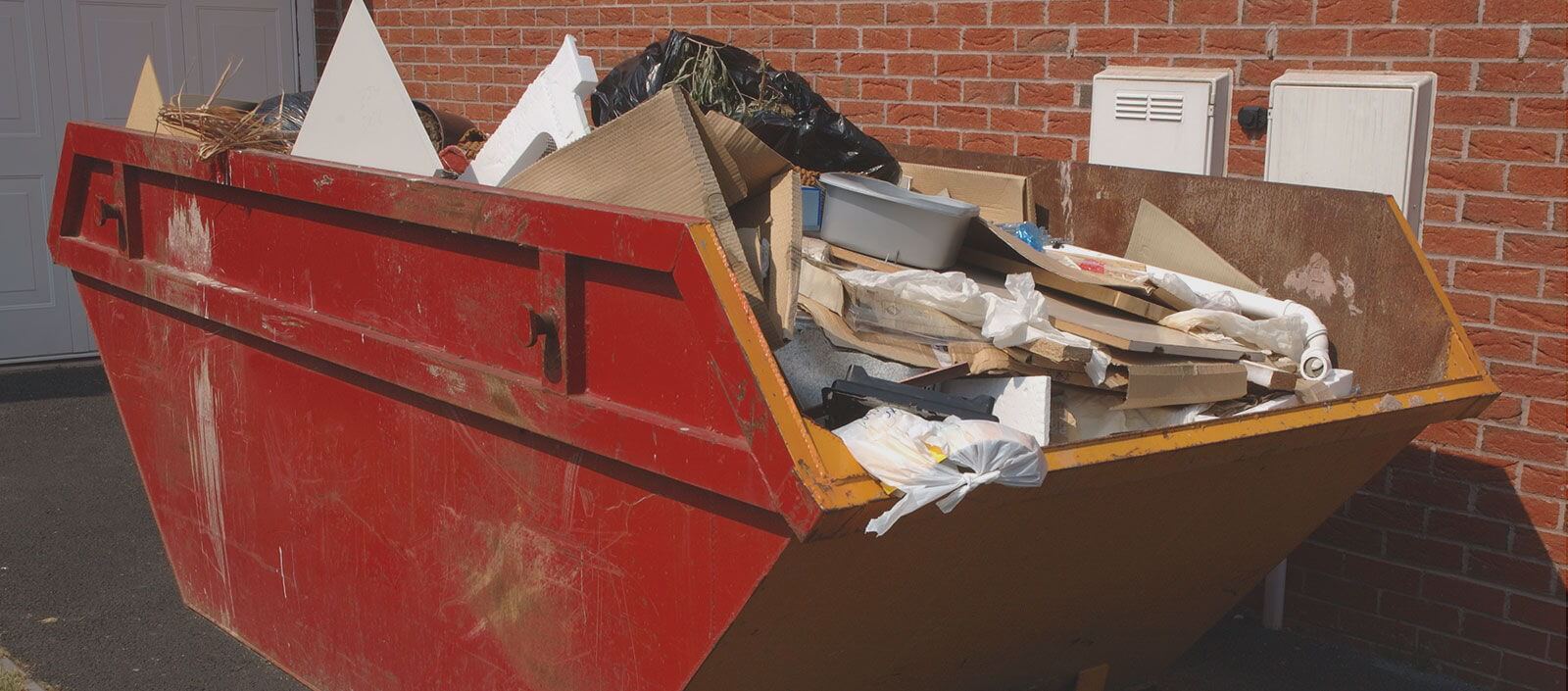
Streatham Common rubbish removal guide SW16
Posted on 27/07/2026
If you live near Streatham Common, you already know how quickly rubbish can pile up. One weekend you're sorting the shed, the next you're staring at broken furniture, bagged-up junk, garden cuttings, and a hallway that feels one step away from chaos. This Streatham Common rubbish removal guide SW16 is here to make the whole job feel simpler, safer, and a lot less annoying.
Whether you're clearing a flat off Streatham Common North Side, dealing with post-renovation mess, or just trying to reclaim your garden after a long season of neglect, the basics are the same: know what you're removing, choose the right method, and avoid the common mistakes that cost time and money. We'll walk through how rubbish removal works in SW16, what to watch out for, and how to make a sensible decision without overcomplicating things.
Quick expert summary: the best rubbish removal approach is usually the one that matches the type of waste, the access at your property, and how quickly you need the space cleared. Simple job, in theory. Real life, slightly messier.
Why Streatham Common rubbish removal guide SW16 Matters
Streatham Common is a busy part of SW16, with a mix of homes, flats, gardens, side returns, and smaller commercial spaces all producing different kinds of waste. That matters because rubbish removal isn't just about getting things out of sight. It's about choosing a method that fits the property, the waste type, and the practical realities of London living.
For example, a homeowner clearing out an old sofa and mattress has a very different problem from someone bagging up hedge trimmings after a weekend in the garden. Add in narrow access, parking restrictions, and the simple fact that many households don't want piles of waste sitting outside overnight, and the need for a proper plan becomes obvious.
This is also where a local understanding helps. Around Streatham Common, people often want something fast, tidy, and respectful of neighbours. Nobody wants bins overflowing or a skip blocking the drive for days. And let's face it, if you've already got a busy week, you probably want the rubbish sorted once and done.
Another reason this guide matters is compliance. Not all waste can be dumped together, and not every collection method suits every item. Garden waste, mixed household rubbish, broken furniture, old appliances, and builder's debris all need different handling. A bit of preparation goes a long way.
If you're dealing with a broader property clear-out, it can help to understand the bigger picture too. Our broader services overview shows how different clearance and removal jobs fit together, from domestic work to more specialised clearances.
How Streatham Common rubbish removal guide SW16 Works
Most rubbish removal in SW16 follows a fairly straightforward pattern. First, you identify the waste. Then you choose a collection method. Then the items are loaded, transported, and taken for sorting, recycling, or disposal. Simple on paper, but the details matter.
In practice, the process usually starts with a description of what needs removing. That could be as basic as "three bin bags, a broken table, and some garden clippings," or as detailed as "builders' rubble, old kitchen units, and a damaged washing machine." The clearer you are, the easier it is to match the job to the right service.
Here's the part many people underestimate: access. If waste can be carried directly from the front room to the vehicle, the job is usually quicker. If there are tight stairwells, limited parking, or items in a loft or cellar, the removal process takes more planning. That's not a problem, just something to factor in.
For domestic jobs, a service such as domestic waste collection in Streatham is often a sensible fit when you want general household rubbish moved without taking on the job yourself.
For bulkier items, such as wardrobes, sofas, or old bed frames, a dedicated furniture service may be more appropriate. That avoids the common mistake of trying to force everything into one generic pile and hoping for the best. Hope is not a disposal strategy. Useful in life, less useful with rubbish.
Garden waste is another common category around Streatham Common, especially after pruning, lawn care, or a full tidy-up. In that case, a tailored option like garden waste removal can keep the job neat and help separate organic material from mixed rubbish.
Key Benefits and Practical Advantages
The main benefit of proper rubbish removal is obvious: you get your space back. But there's more to it than a tidy room or a clear driveway. A good service also reduces stress, saves lifting, and helps avoid accidental damage during a rushed DIY clear-out.
Key advantages include:
- Speed: waste can often be removed far faster than arranging multiple council-style trips or trying to do it all yourself.
- Convenience: heavy or awkward items are handled for you, which is a big deal if you're dealing with stairs, narrow hallways, or no car.
- Better sorting: mixed loads can often be separated appropriately so recyclable material doesn't get tossed in with general waste.
- Less risk: fewer trips up and down stairs means less chance of injury or property damage.
- Cleaner finish: a proper clearance usually leaves the area ready for use, not half-finished and frustrating.
There's also a practical money-saving angle. A badly planned job can create hidden costs, from extra trips to the tip to accidental disposal of the wrong items. If you've ever bought a dozen heavy-duty sacks and still ended up with a pile left over, you know the feeling. It sneaks up on you.
Another benefit is peace of mind. If you're working with a provider that understands waste handling, recycling, and safe loading, you can focus on the actual project instead of worrying whether the mess is going to become a bigger problem.
For people interested in greener handling, our recycling and sustainability page explains how responsible waste management supports better outcomes than simply sending everything to landfill.
Who This Is For and When It Makes Sense
This guide is useful for a lot of SW16 residents, not just people with a dramatic one-off clearance. In fact, the most common calls are usually for everyday situations that have quietly got out of hand.
You may need rubbish removal if you are:
- clearing after a house move
- emptying a spare room, loft, or garage
- dealing with post-renovation debris
- tidying a garden after cutting back hedges or trees
- replacing old furniture or appliances
- managing tenant, landlord, or end-of-tenancy waste
- sorting out office or commercial clutter
Sometimes the need is obvious. Other times it creeps up gradually. A stack of boxes here, a broken chair there, a bag of old cables in the corner. Then one Saturday morning you look around and think, right, this has to go.
If you're dealing with a property that needs a more complete clear-out, services such as house clearance in Streatham or loft clearance can make more sense than piecemeal removal.
Business owners around Streatham Common may also need clearance support for stockroom clutter, redundant office furniture, or general waste from a refit. In those situations, commercial waste removal can be a better fit than trying to solve it with domestic waste habits.
Step-by-Step Guidance
If you want the process to go smoothly, a little preparation helps more than most people expect. Here's a practical way to approach it.
- Identify what needs to go. Split waste into clear groups: general rubbish, furniture, white goods, garden waste, builder's debris, and anything hazardous or awkward.
- Check what can be reused or donated. Not everything old is rubbish. Sometimes a usable table, chair, or cabinet is better kept out of the waste stream.
- Separate items by type. Mixed loads are harder to manage and can slow down collection. Keep green waste apart from general household rubbish if you can.
- Measure or photograph bulky items. This is especially useful for sofas, beds, or appliances. A quick photo saves a lot of guesswork.
- Think about access. Note stairs, parking, garden gates, narrow alleys, or any restrictions that could affect removal.
- Ask about disposal routes. Good practice is to understand how the waste will be handled after collection, especially if recycling is important to you.
- Book a time that suits the site. Morning collections can be useful if you want the space clear before the day gets busy.
- Prepare the path. Move smaller items, rugs, or obstacles out of the way so loading is safer and faster.
A sensible habit is to stand in the room or garden and imagine the route out. If you wouldn't want to carry a heavy bag along that route yourself, don't assume it'll be easy on removal day. It's a small thing, but it saves hassle.
Expert Tips for Better Results
In our experience, the smoothest rubbish removal jobs are rarely the most dramatic ones. They're the ones where the homeowner or business has thought through the basics.
A few practical tips:
- Photograph everything before collection. It helps with quotes and avoids confusion about the volume.
- Keep hazardous items separate. Paints, solvents, batteries, and some electricals need extra care. Don't bury them under mixed waste.
- Break down flat-pack furniture if safe to do so. Smaller pieces are easier to handle and often fit better into loading space.
- Bundle garden waste neatly. Cut branches to manageable lengths and keep soil-heavy material in appropriate quantities.
- Leave a clear route to the waste. A few minutes of preparation can shave off a lot of loading time.
One small but useful tip: if you are unsure whether an item counts as furniture, appliance waste, or mixed rubbish, say so upfront. That kind of honesty speeds things up. Nobody likes a surprise mattress hiding behind a pile of bags.
If your job is linked to garden work, it may help to read about the usual materials involved in outdoor clean-ups. Our guide to common types of garden waste is a handy companion for that.

Common Mistakes to Avoid
Rubbish removal looks easy until it isn't. A few common mistakes come up again and again, and they're usually avoidable.
Watch out for these:
- Leaving sorting until the last minute. This makes it harder to separate reusable, recyclable, and general waste.
- Assuming every item can go with the same load. Appliances, mattresses, rubble, and green waste often need different handling.
- Underestimating volume. Those "few bags" can become ten bags before you know it.
- Blocking access with cars or bins. This slows everything down and can create avoidable friction with neighbours.
- Forgetting about fragile surroundings. Hallways, stair rails, and painted walls can get scuffed if people rush.
- Not checking credentials or standards. You want to know waste is being handled properly, not disappearing into a mystery van situation.
Another mistake is trying to make the cheapest option work for the wrong type of waste. Cheap and suitable are not always the same thing. Sometimes they are, sometimes not. Truth be told, the right approach is usually the one that solves the job cleanly the first time.
Tools, Resources and Recommendations
You do not need a warehouse full of kit to prepare rubbish for removal. A few basics will do the trick.
Useful tools and supplies:
- strong refuse sacks
- gloves
- tape or straps for bundling
- a marker pen for labelling if you are sorting loads
- a dustpan and brush for the final tidy-up
- a torch for lofts, sheds, or awkward corners
For larger jobs, a simple notebook or phone notes list can be surprisingly helpful. Write down what's staying, what's going, and what may need special handling. It sounds basic, because it is basic. But basic works.
If you want to match the right service to the right job, these pages may help:
- rubbish collection in Streatham for general everyday waste
- furniture disposal for bulky household items
- white goods and appliance disposal for fridges, cookers, washing machines, and similar items
- builders' waste disposal for renovation debris and site waste
Law, Compliance, Standards, or Best Practice
Waste removal in the UK has a compliance side that's worth taking seriously. You do not need to be an expert, but you should understand the basics well enough to make sensible choices.
Good practice usually means:
- waste is handled by a properly authorised carrier
- items are disposed of responsibly, with recycling where practical
- hazardous or specialist waste is treated separately
- paperwork or records are available where appropriate
For householders, the main practical point is simple: never hand waste to anyone who cannot show they are operating properly. If you are paying for removal, it should not feel mysterious. You should know who is taking your waste and that it is being managed in line with accepted standards.
There is also a safety angle. Heavy lifting, sharp edges, glass, and old appliances all carry risk. A professional approach should reduce those risks, not add to them. If you want to understand how safety is handled more broadly, the site's insurance and safety information is worth a look.
For people who care about responsible disposal, compliance and sustainability are closely linked. A well-run waste process should reduce fly-tipping risks, support recycling, and keep unnecessary material out of landfill where possible. That's not just good practice; it's common sense, really.
Options, Methods, or Comparison Table
There are a few common ways to deal with rubbish in Streatham Common and the wider SW16 area. The best option depends on volume, item type, time, and access.
| Method | Best for | Pros | Watch-outs |
|---|---|---|---|
| DIY tip runs | Very small loads, frequent access to a vehicle | Can work for minor clear-outs | Time-consuming, lifting involved, fuel and queueing add up |
| Kerbside or bagged waste prep | Light, tidy domestic rubbish | Simple if the load is small | Not suitable for bulky, mixed, or awkward items |
| Specialist rubbish removal | Mixed loads, bulky items, time-sensitive clearances | Fast, convenient, less lifting | Needs good job details for accurate planning |
| Dedicated clearance service | House, loft, office, or full-property clear-outs | Comprehensive and efficient | May be more than you need for a tiny load |
For a small flat clear-out, the second or third option might work. For a loft full of old furniture, it usually makes more sense to choose a proper clearance approach rather than trying to do it in stages over three weekends and a lost screwdriver.
If the job is part of a bigger property reset, the decision can also connect to other services such as furniture removal or broader waste removal in Streatham.
Case Study or Real-World Example
Here's a realistic example from the kind of job people often face near Streatham Common.
A couple in SW16 had recently finished sorting a spare room that had become a storage catch-all. Nothing dramatic, just years of boxes, a broken bookcase, an old mattress, a bedside cabinet, and a handful of bags filled with random household bits. The room looked harmless at first glance, but once they started lifting things out, it became clear the load was larger than expected.
They did three things that made the job easier:
- they separated the mattress and furniture from the general rubbish
- they cleared a path from the room to the front entrance
- they took a quick photo of the pile before arranging removal
The result was straightforward. The collection was quicker, the loading was safer, and the room was usable the same day. No drama, no chaos, no endless back-and-forth. Just a clean finish and a bit of relief. That's often the real value of rubbish removal: not excitement, just a quiet sense of order returning to the home.
It can be the same with garden jobs too. A single afternoon of cutting back hedges or clearing dead growth can leave far more green waste than expected. If that sounds familiar, you may also find our article on Streatham's character and local surroundings useful for understanding the area's mix of homes and outdoor spaces. It's a bit broader, but it gives useful local context.
Practical Checklist
Use this checklist before you book or begin a clearance job.
- Have I listed everything that needs to go?
- Have I separated bulky items from loose rubbish?
- Do I know whether any items need specialist handling?
- Is access to the waste clear and safe?
- Have I taken photos or notes for reference?
- Do I know whether the job is domestic, commercial, garden, or builders' waste?
- Have I checked whether anything could be reused or donated?
- Have I thought about parking and collection access?
- Do I want a same-day clear-out or a planned collection?
- Am I happy with how the waste will be managed after collection?
Helpful reminder: a five-minute check can save a fifty-minute headache.
Conclusion
Streatham Common rubbish removal in SW16 does not need to be complicated. Once you understand the waste type, the access, and the level of help you actually need, the whole thing becomes much more manageable. The key is to avoid rushing, keep items sorted, and choose a method that suits your property and schedule.
For some readers, that means a quick household collection. For others, it means furniture disposal, garden waste removal, or a fuller house clearance. Whatever the case, the best results usually come from simple preparation and clear expectations. Nothing fancy. Just a calm, practical approach that gets the space back under control.
If you're still weighing up your options, start with the waste itself, then work outward from there. That one habit will save you a lot of second-guessing.
Get a free quote today and see how much you can save.