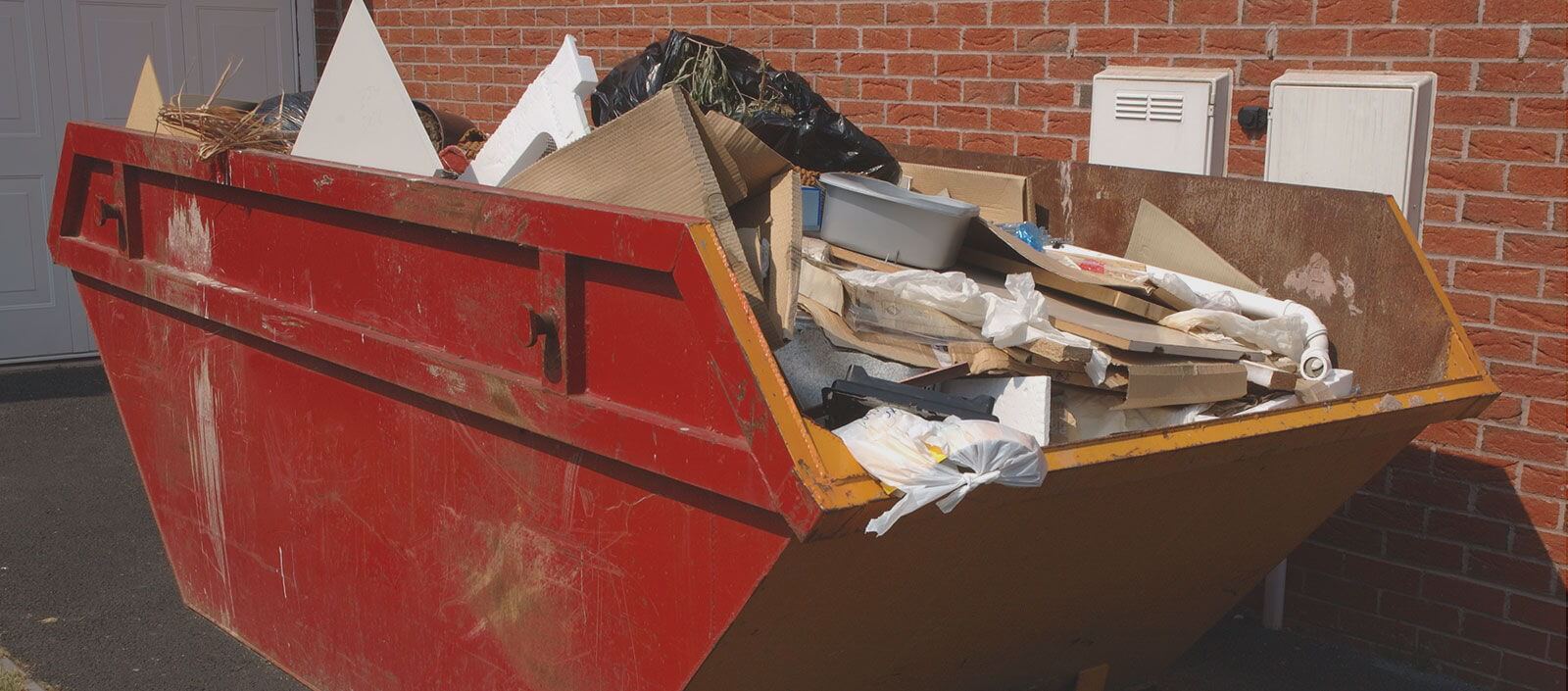
Streatham Hill station rubbish collection advice
Posted on 03/09/2026

Streatham Hill station rubbish collection advice: a practical local guide
If you are trying to deal with waste near Streatham Hill station, the main challenge is usually not the rubbish itself. It is the timing, the access, the narrow pavements, and the simple question of how to get rid of everything without causing a mess for neighbours or blocking busy streets. That is where Streatham Hill station rubbish collection advice becomes genuinely useful. Whether you are clearing a flat, tidying after a move, or sorting out bulky items that will not fit into a car, a clear plan saves time and a fair bit of stress.
This guide walks you through how rubbish collection near Streatham Hill station works, what to watch out for, and how to choose the most sensible option for your situation. We will also cover compliance, practical mistakes, and a few local realities you only really notice once you have tried to move a mattress down a staircase at 8:15 on a weekday. Not ideal, let's face it.
Why Streatham Hill station rubbish collection advice matters
Streatham Hill station sits in a part of South London where homes, shops, rental flats, and busy roads all sit close together. That sounds convenient, and it is, but it also means waste can become a nuisance quickly if it is left in the wrong place or at the wrong time. A small pile of sacks can turn into an obstacle. A broken wardrobe placed near the kerb can make foot traffic awkward. A few bags left too long can attract flies or look untidy, especially during warmer weather.
Good rubbish collection advice is about more than getting items removed. It helps you:
- avoid blocked entrances and shared walkways
- reduce the chance of missed collections or refused loads
- sort reusable, recyclable, and general waste properly
- manage timings around commuter traffic and neighbours
- choose the right disposal route for bulky or mixed waste
There is also a trust angle here. If you are hiring a waste collector, you want to know the job will be done safely, legally, and with respect for the local area. That matters in residential streets near station routes where access can be tight and people notice everything. The cleaner and more organised the process, the easier it is for everyone.
For broader local context, it can help to understand how Streatham fits together as a place. Articles like the charms of Streatham London and local advice on living in Streatham show why the area is such a mix of movement, homes, and everyday practical needs.
How Streatham Hill station rubbish collection advice works
In plain English, the process starts with identifying what you have, where it is, and how quickly it needs to go. That sounds basic, but in real life these three details make all the difference.
Near Streatham Hill station, waste collection usually falls into one of a few patterns:
- Domestic bin waste that is bagged, sorted, and ready for regular collection or household disposal.
- Bulky item removal for furniture, mattresses, appliances, or awkward one-off items.
- Mixed rubbish clearance after decorating, moving out, or clearing rooms.
- Commercial or shared-property waste from shops, offices, landlords, or managed buildings.
Once you know which category you are dealing with, you can decide whether you need a one-off pickup, a larger clearance, or a service that handles everything from lifting to loading. That choice matters because a lot of waste issues near stations come down to access rather than volume. A few bulky items from a basement flat can take more effort than a surprisingly large heap of bagged waste from a ground-floor property.
It also helps to think in terms of sorting. For example, some waste types are straightforward household rubbish, while others need a different disposal route. Furniture, for instance, is often best handled separately from general rubbish, and white goods should usually be treated as a distinct category. If you are clearing a garden too, a dedicated service can make life easier. For that, see garden waste removal in Streatham and the related guide on common types of garden waste.
One more thing. Near a station, timing is everything. Early morning, school-run hours, and late afternoon can all be awkward. A collection plan that works at 10 a.m. on a quiet weekday may be a nuisance at 5 p.m. on a Friday. That is why a local, flexible approach usually works best.
Key benefits and practical advantages
When rubbish is handled properly around Streatham Hill station, the advantages are immediate. You notice the difference in the first ten minutes.
- Less disruption: waste is removed quickly, so shared entrances, pavements, and stairwells stay clear.
- Better safety: fewer trip hazards, fewer sharp edges, and less lifting around tight spaces.
- Cleaner presentation: useful if you are a landlord, tenant, estate agent, or small business.
- More recycling potential: items can be separated instead of being bundled together.
- Less stress: you avoid multiple trips to a tip or the headache of fitting everything into a car.
- More predictable costs: a structured clearance is often easier to quote for than a vague "we have a few bits and bobs" job.
For commercial premises and local businesses, the benefit is even clearer. Waste left outside the wrong way can create problems with neighbours, customers, or building management. If you manage a shop, cafe, or office nearby, you may also want to compare commercial waste removal in Streatham and office clearance services depending on the type of material involved.
There is also a sustainability gain. Sorting properly means more items can be reused or recycled, which is better for the environment and usually better for the overall job flow. A tidy load is simply easier to handle. Nothing glamorous, but very effective.
Expert summary: The best rubbish collection near Streatham Hill station is usually the one that balances speed, access, sorting, and compliance. Fast is good. Careful is better. Both together is ideal.
Who this is for and when it makes sense
This advice is useful for more people than you might first think. It is not just for people doing a major clear-out. In practice, the need often comes from everyday life changing shape a little.
You will probably find this relevant if you are:
- moving in or out of a flat near Streatham Hill station
- clearing a rented property between tenancies
- getting rid of old furniture after a redecorating job
- handling white goods or appliance disposal
- sorting rubbish after a house clearance or loft clear-out
- running a small business and need regular or one-off waste removal
- dealing with garden cuttings, soil bags, or outdoor clutter
It can also make sense when the waste is not large, but is awkward. A few items such as a broken desk, a bulky sofa, or several heavy bags are often enough to justify a collection. Truth be told, awkwardness is often the real trigger, not volume. If you cannot carry it safely, or if it will not fit through the stairwell without a minor wrestling match, it is probably time to bring in help.
For bigger domestic jobs, related services like house clearance and loft clearance are worth considering. If the item is a couch or table, furniture-focused removal is often the cleaner route. See furniture removal and furniture disposal for the difference in approach.
Step-by-step guidance
If you want a simple way to handle rubbish collection near Streatham Hill station, follow these steps. They are straightforward, but they save a surprising amount of hassle.
- List everything you need removed. Be specific. "Old furniture" is less helpful than "two armchairs, one wardrobe, six bin bags, and a broken microwave."
- Separate the waste by type. Put general rubbish, recyclable items, furniture, appliances, and garden waste into distinct groups where possible.
- Check access carefully. Measure doorways, stair turns, lift access, parking space, and any building restrictions. This is the bit people often skip.
- Decide what needs urgent removal. Anything blocking access, creating odour, or causing a safety issue should be prioritised.
- Choose the right service type. A basic rubbish pickup may suit bags and mixed waste, while larger items or full-property jobs may need a clearance service.
- Ask about loading and lifting. If the team is handling heavy lifting, confirm what is included so there are no surprises on the day.
- Prepare the area. Move smaller items out of the way, keep pets and children clear, and make sure the route to the waste is as open as possible.
- Confirm disposal expectations. Good providers should be clear about handling, recycling, and safe disposal.
A useful habit is to take a quick phone photo of the waste before collection. It helps you remember what is going and can make the booking process easier. Nothing fancy. Just a few pictures in decent daylight, maybe by the front door or next to the pile itself.
If you are unsure how a general rubbish job differs from a site-specific clearance, the overview at rubbish collection in Streatham and the wider services overview can help you narrow it down.
Expert tips for better results
Small adjustments make a big difference here. The sort of things that seem minor until collection day, and then suddenly matter a lot.
- Keep the load accessible. If waste is buried behind furniture or stacked in a hallway, collection takes longer and becomes less efficient.
- Remove hazards early. Broken glass, nails, loose screws, and splintered wood should be contained safely.
- Separate electronics where possible. Appliances and electrical items often need different handling from standard rubbish.
- Think about timing around neighbours. A quiet mid-morning slot is usually kinder than a late-night scramble. You will thank yourself later.
- Be honest about quantity. Underestimating the amount of waste can lead to delays or a second visit.
- Use the right service for the right job. Builders' debris is not the same as household clutter, and commercial waste has its own considerations.
For renovation debris or heavier material, builders waste disposal in Streatham is a better fit than a general household collection. If you are clearing a workplace, commercial waste removal will usually be the more relevant route.
Another practical point: if you are handling waste around the station area after a move or a busy weekend, leave yourself more time than you think you need. Rushing makes everything worse. Bags split, people get frustrated, and someone inevitably realises the lift is not working. It happens.

Common mistakes to avoid
Most waste problems near busy transport spots come from the same few mistakes. The good news is that they are avoidable.
- Leaving waste outside too early. This can create obstruction, spoil the street scene, and sometimes attract complaints.
- Mixing everything together. Mixed loads are harder to handle and may reduce recycling opportunities.
- Ignoring access issues. If a van cannot park safely or the route is blocked, the collection becomes slower or may need rescheduling.
- Forgetting about heavy items. Mattresses, fridges, and wardrobe units can be more difficult than they look.
- Choosing a service based only on price. Cheap and suitable are not always the same thing. In rubbish work, that can be a costly lesson.
- Not checking what happens to your waste. Responsible disposal matters, especially if you want peace of mind.
A small one, but important: do not assume that every collection service will lift from inside the property. Some will, some will not, and some will only do so under certain conditions. Ask first. Saves everybody a bit of back-and-forth.
Tools, resources and recommendations
You do not need specialist equipment to organise a waste collection well, but a few simple tools help a lot.
- Tape measure: useful for checking whether bulky furniture can fit through doors or stair turns.
- Strong refuse sacks: better than thin bags that split when lifted.
- Marker pen and labels: handy for marking reusable items, recycling, or items that should not be mixed.
- Phone camera: good for taking clear photos before you book a service.
- Gloves and sturdy shoes: sensible if you are moving waste around yourself.
For related practical reading, it can help to look at rubbish removal on Streatham High Road and the Streatham Common rubbish removal guide. Those pieces are useful for understanding how local access and road conditions can shape waste collection decisions in SW16.
If you want to make a cleaner choice, also review the company's waste carrier licence and compliance, plus its approach to recycling and sustainability. Those pages are a good sign that the operator takes the job seriously.
Law, compliance, standards, and best practice
Waste disposal in the UK sits under a framework of legal and practical duties. You do not need to memorise the rulebook, but you should know the essentials. A reputable waste collector should be able to explain how waste is handled, whether it is transferred legally, and how they keep records where required.
For you as a customer, the safest approach is to use a provider that is transparent about:
- what types of waste they will take
- how they handle recyclable materials
- whether they are authorised to carry waste
- what their process is for items needing special treatment
- what is included in the job and what is not
Best practice also means avoiding fly-tipping risk. If waste is handed to an untraceable collector and later dumped illegally, it can create trouble for everyone involved. That is not scaremongering; it is just the reality of poor waste handling. A good provider should give you confidence, not a shrug.
Security, safety, and clear terms matter too. You may find it useful to read the company's pages on insurance and safety, payment and security, terms and conditions, privacy policy, and cookie policy. They are not the most exciting pages on the internet, but they do tell you a lot about how the business is run.
If accessibility matters for your household, building, or workplace, it is also worth checking the accessibility statement. Small detail, perhaps. But useful if you are planning a collection in a building with limited mobility access, lifts, or stepped entrances.
Options, methods, and comparison table
There is no single best method for every rubbish job near Streatham Hill station. The right option depends on volume, access, waste type, and how quickly you need the space cleared.
| Method | Best for | Pros | Watch out for |
|---|---|---|---|
| Bagged waste collection | General household rubbish, mixed bags | Quick, simple, useful for smaller jobs | Can become awkward if access is poor or bags are overfilled |
| Bulky item removal | Sofas, wardrobes, mattresses, appliances | Handles heavy, awkward items without a lot of fuss | May need clear access and accurate item descriptions |
| House clearance | Full rooms, whole flats, tenancy turnovers | Good for larger clear-outs and mixed contents | Needs clear planning and may take longer than expected |
| Office or commercial clearance | Business waste, fixtures, stock, office furniture | Suitable for organised, larger-scale removals | Must be handled carefully around building access and business hours |
| Garden waste removal | Cuttings, soil, hedge waste, outdoor clutter | Separates green waste from general rubbish | May need different handling from household waste |
| Builders waste disposal | Renovation debris, rubble, offcuts | Good for heavier waste streams | Requires honest assessment of material type and quantity |
For most people near the station, the decision comes down to this: if the waste is simple and accessible, a standard collection may be enough. If the job is mixed, bulky, or messy, a more structured clearance is usually the cleaner choice.
Case study or real-world example
A fairly typical example: a tenant in a flat a short walk from Streatham Hill station is moving out on a Friday morning. They have a bed frame, two bags of old clothes, a broken bookshelf, a microwave, and a couple of odds and ends from the kitchen cupboard. Nothing dramatic, but enough to become annoying fast.
At first glance, they think, "I can probably do this in one go." Then the staircase says otherwise. The bed frame is too awkward for one person. The bookshelf is heavier than it looked. The microwave is fine, but it gets wedged behind two bags and a lamp. Classic. The flat is tidy, but the route out is not.
The solution is to separate the items, move the smaller bags first, and schedule a collection when access is calmer. The bulky items are handled as furniture rather than general rubbish. The appliance is kept apart so it can be dealt with properly. By the end, the flat is clear, the corridor is not blocked, and nobody has had to drag a mattress past a neighbour coming back with groceries. That may sound minor, but in real life it is the difference between a stressful move and a manageable one.
That is really the point of Streatham Hill station rubbish collection advice. It is not just about disposal. It is about choosing the right approach before the problem gets bigger than it needs to be.
Practical checklist
Use this checklist before collection day. It keeps things tidy and cuts down on avoidable delays.
- Identify every item that needs removing
- Separate general rubbish, furniture, appliances, garden waste, and building debris
- Check entrances, stairs, lifts, and parking access
- Measure any awkward furniture or large items
- Remove sharp objects or package them safely
- Keep bags closed and not overfilled
- Confirm what the collection includes
- Make sure any shared spaces are left clear
- Photograph the waste if useful for your records
- Review the provider's compliance, safety, and payment information
If the job involves a full clear-out rather than a few items, you may also want to look at house clearance or loft clearance again. It is often easier to choose the right service than to force the wrong one to fit.
Conclusion
Streatham Hill station rubbish collection advice is really about making a busy local process feel simple. If you sort the waste properly, check access, choose the right service, and keep an eye on safety and compliance, the whole job becomes much easier. That is true whether you are clearing a single bulky item or dealing with a full property refresh.
The best results usually come from calm preparation rather than last-minute panic. A little planning goes a long way. And if you live or work near the station, that planning pays off in fewer delays, less disruption, and a much cleaner finish.
If you are still deciding which service fits your situation, a practical next step is to compare the type of waste you have with the service that matches it best. That way you are not guessing, and you are far more likely to get a tidy, efficient result.
Get a free quote today and see how much you can save.